September 2, 2026
Creating an inviting outdoor space requires more than simply mounting a bright floodlight on a wall or planting a few solar spikes near a pathway. Outdoor environments are multi-dimensional spaces that demand carefully planned illumination to highlight architectural details, elevate safety, and foster a welcoming atmosphere during evening hours. To achieve a truly refined look, property owners must understand the art of layering light. Layering involves combining different types of illumination to build depth, balance, and visual harmony throughout a yard, garden, patio, or walkway. When these layers work in tandem, the property transforms into an elegant nighttime sanctuary. Partnering with a skilled exterior lighting installer can help ensure that every element is positioned to enhance aesthetics while serving practical needs.
The foundation of any successful outdoor scheme lies in understanding how light interacts with darkness, shadow, and texture. Standard overhead lighting often creates harsh glare or deep shadows, leaving portions of the landscape obscured or overly stark. A layered strategy mitigates these issues by blending broad background illumination with targeted accent and functional light sources. By thoughtfully mixing ambient, task, and accent fixtures, you create a cohesive visual journey that guides the eye naturally across the landscape. The goal is not to illuminate every square inch, but rather to establish contrast, warmth, and depth. Working with a dedicated exterior lighting installer allows property owners to create a custom arrangement that reflects the unique layout of their outdoor living area.
Understanding Ambient Illumination
Ambient illumination serves as the primary layer of light for any outdoor living space. It replaces natural daylight after sunset by providing soft, overall brightness that allows people to navigate areas comfortably and safely. Rather than relying on a single powerful bulb, ambient lighting relies on gentle, indirect sources that blanket wide outdoor zones without overwhelming the senses. Examples include wall-mounted lanterns, soft post lights, and carefully directed floodlights concealed within tree canopies or architectural eaves. When properly executed, ambient light establishes the foundational mood, making the environment feel open, spacious, and relaxed.
Achieving effective ambient lighting requires a subtle approach that avoids intense glare. Directing light fixtures toward hardscapes, fences, or stone walls allows light to bounce softly back into the surrounding environment, creating a gentle wash that diffuses harsh shadows. According to the National Association of Realtors, 80% of prospective buyers view outdoor illumination as a vital or appealing home feature. This high interest highlights how essential well-designed surroundings are to overall property appeal. Collaborating with a professional exterior lighting installer ensures that ambient fixtures are expertly positioned to maximize coverage while maintaining a warm, inviting glow across the entire yard.
Incorporating Task Illumination
While ambient light provides general visibility, task illumination focuses on specific functional areas where activity takes place. Outdoor living spaces often feature cooking stations, dining tables, staircases, walkways, and entrance gates that demand clear, focused brightness for safety and convenience. Task lighting ensures that everyday activities can occur smoothly after dark without forcing individuals to strain their eyes or navigate hazards blindly. Integrating task fixtures seamlessly into the overarching design prevents safety features from looking overly industrial or out of place.
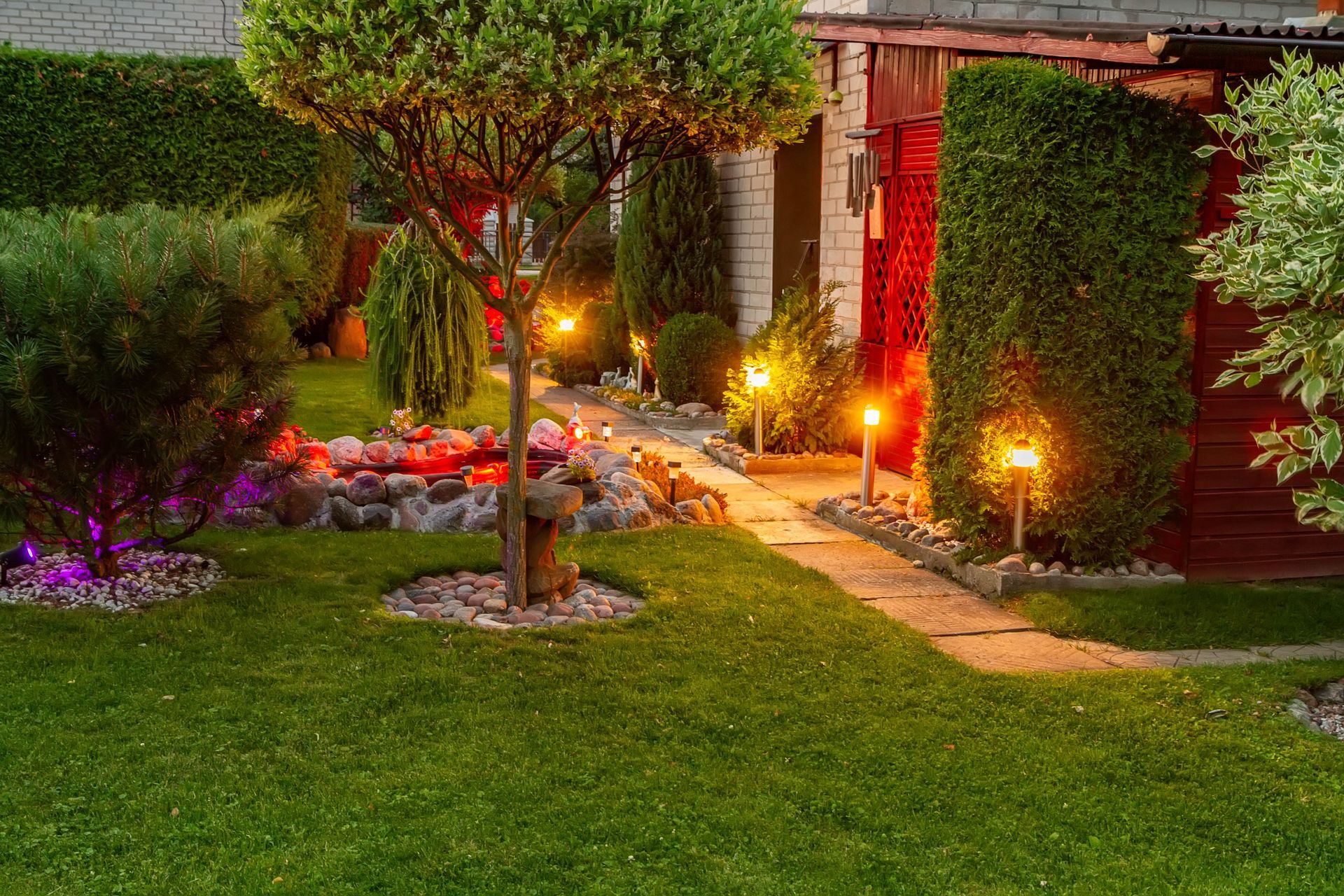
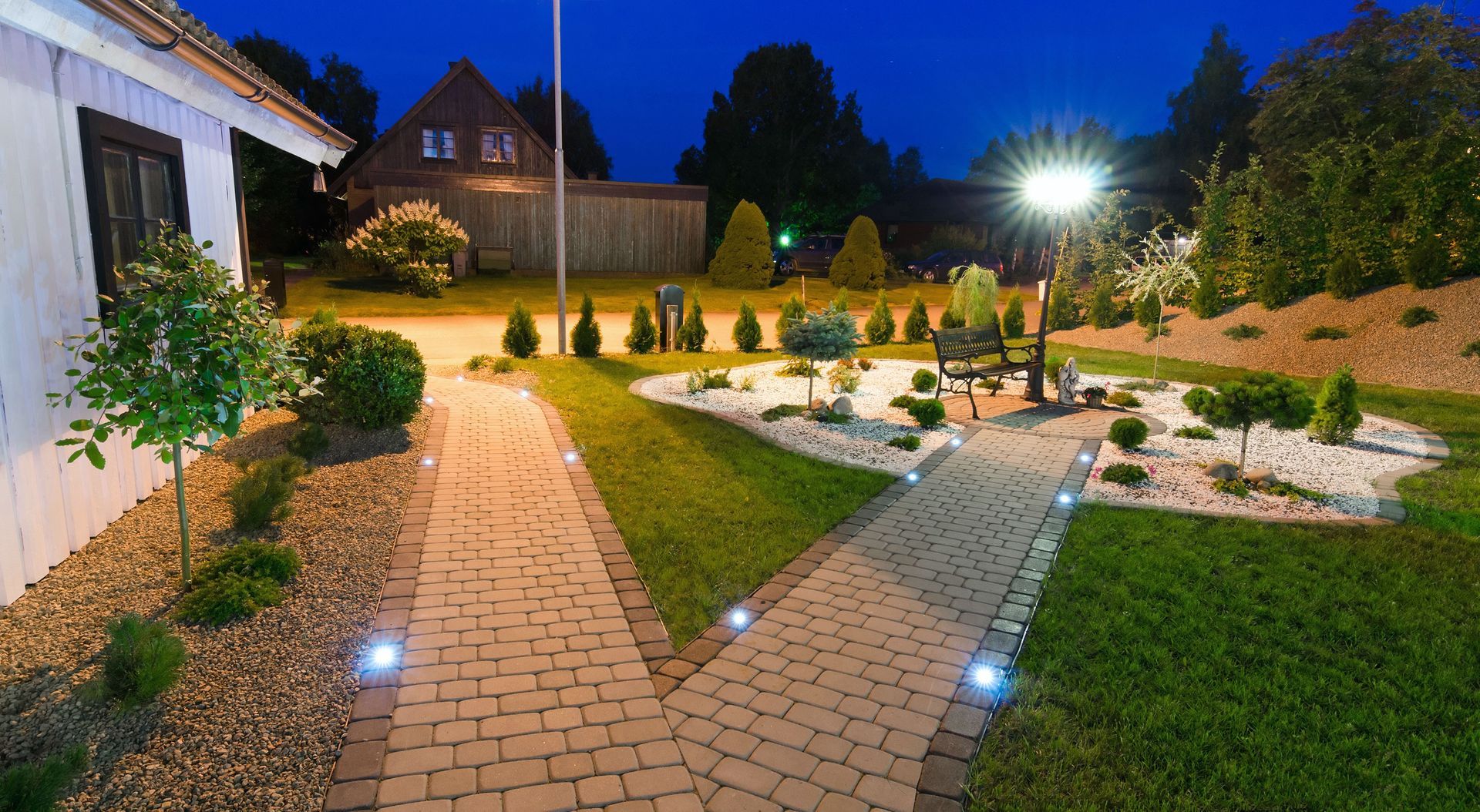
Common examples of task illumination include step lights built directly into deck risers, bollard lights lining garden paths, and focused downlights situated over outdoor kitchens or grilling areas. These fixtures direct light precisely where it is needed most, minimizing stray light spill into nearby leisure zones. Proper placement is essential; lights placed too low may fail to illuminate key surfaces, while lights placed too high or angled improperly can cause uncomfortable glare. A knowledgeable exterior lighting installer understands how to integrate task fixtures discreetly into stone, wood, and landscaping structures, ensuring that functionality blends effortlessly with visual elegance.
Adding Accent Illumination
Accent illumination is the decorative layer that brings personal style, drama, and artistic flair to an outdoor layout. This layer focuses on highlighting specific architectural details, decorative trees, stone masonry, water features, or focal sculptures within the landscape. By drawing attention to specific visual anchors, accent lighting creates focal points that guide the eye through the yard, creating depth and dimension in the dark. Without accent light, an outdoor space can feel flat and uniform, lacking the dynamic contrast that makes evening landscapes captivating.
Techniques such as uplighting, silhouetting, and shadowing are frequently employed to achieve stunning accent effects. Uplighting involves placing fixtures at ground level and directing light upward along tree trunks, stone columns, or tall shrubbery to emphasize height and texture. Silhouetting places light behind an object, casting its outline against a bright surface to create a bold graphic effect. Shadowing projects light onto the front of a textured object, casting mysterious, decorative shadows on nearby walls. Consulting an experienced exterior lighting installer helps property owners select appropriate beam angles, intensities, and positioning to bring out the finest artistic characteristics of their landscape.
Balancing Fixture Heights
A frequent mistake in outdoor illumination planning is placing all fixtures at the same physical height. When every light source sits at eye level or along the ground, the landscape visual plane becomes monotonous and predictable. Achieving a balanced look requires distributing light vertically across multiple planes, from ground level up into the high tree canopy. Elevating light sources to various heights creates a three-dimensional experience that feels immersive, engaging, and dynamic.
Low-level fixtures, such as well lights and low-profile path indicators, ground the layout and define boundaries along pathways and garden edges. Mid-level fixtures, including post lights, wall sconces, and deck lights, anchor the structural features of the home and outdoor structures. High-level fixtures, such as downlights mounted in tall trees or under roof eaves, project soft illumination downward to mimic moonlight. This vertical distribution prevents light from pooling in single spots while ensuring a balanced spread throughout the space. A qualified exterior lighting installer can evaluate vertical structures across the yard to ensure height balance is achieved effectively.
Selecting Warm Light Temperatures
Color temperature plays a fundamental role in setting the emotional tone and visual cohesion of an outdoor atmosphere. Light temperature is measured in Kelvin, ranging from warm yellow tones to cool blue hues. For residential outdoor spaces, warm light temperatures are generally preferred because they produce a welcoming, cozy ambience that highlights natural tones in wood, stone, and foliage. Cool, blue-toned lighting can often make an outdoor area feel clinical, harsh, or unnatural.
Maintaining consistent color temperatures across all layers of light is vital for achieving balance. Mixing overly cool bulbs with warm fixture accents disrupts visual continuity and creates a chaotic appearance. Warm white tones highlight the rich textures of brickwork, wood decking, and vibrant green foliage, unifying ambient, task, and accent elements into a single harmonious design. Partnering with an expert exterior lighting installer provides access to uniform, high-quality fixtures that maintain consistent color temperatures across every layer, preserving the desired aesthetic across all seasons.
Designing a balanced outdoor environment requires thoughtful planning, proper layer integration, and a clear understanding of how light interacts with natural and architectural surroundings. By combining ambient, task, and accent lighting with proper height balance and cohesive color temperatures, property owners can transform their outdoor areas into captivating, comfortable retreats. Every layer plays a crucial role in creating depth, enhancing safety, and showcasing unique landscape features after sunset. If you are ready for a beautifully illuminated outdoor space, contact us at Superior Landscape Lighting today. We will help you design and execute a flawless layered system tailored to your property.